The Cocoa Forge
Tamana Mountain, Trinidad Single Estate Chocolate
Tamana Mountain, Trinidad Single Estate Chocolate
Couldn't load pickup availability
Tamana Mt — Trinidad
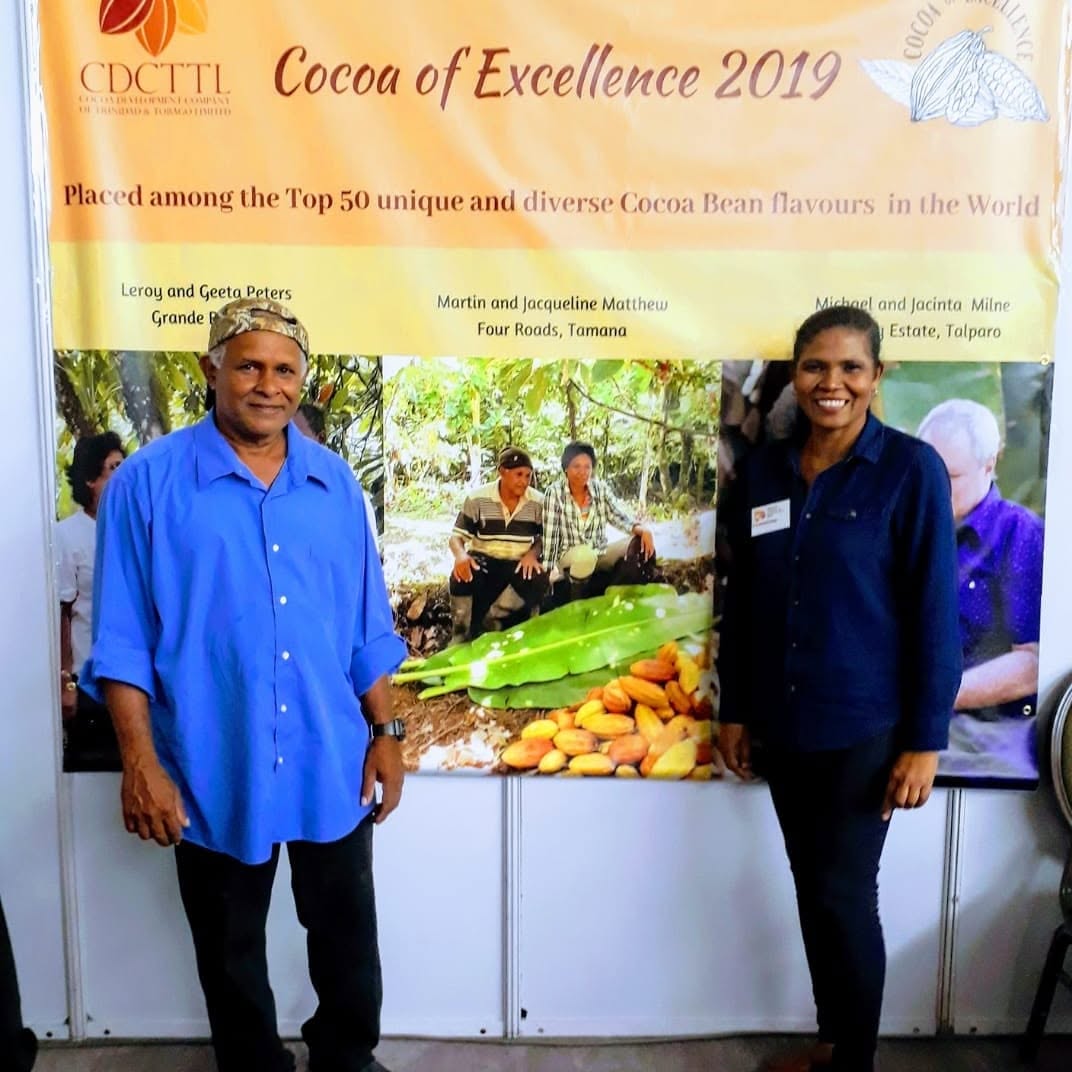
Tamana Mountain Chocolates Estate is a family-run farm located in the central region of Trinidad. In 2017 the family purchased a mature cocoa estate comprising 10 acres of Trinitario Cocoa trees. Jacqueline and Martin Matthew along with their three children went on to win a Cacao of Excellence award in 2019! They not only grow, ferment and dry their own beans but they don't stop there; they go on to make their own tree-to-bar chocolate and artisanal cacao products. At some point, I was in the right place at the right time and was able to buy some of their coveted beans - all the more precious since they use all their beans in their chocolate business. I only had enough to make a small batch and just have a few bars left. This island chocolate is both vibrant and laid back all at the same time.
Available in the Large 3 oz Adventure Bar in Dark Milk coming in at a high 64%.
- Origin: Trinidad
- Farm: Tamana Mountain
- Genetics/Type: Trinitario
- Cacao certifications:
- Flavor notes: Buttery caramel, mildly fruity with herbal, earthy and lemon zest finish.
- Ingredients: Cacao, organic cane sugar, organic cocoa butter, milk.
- Allergens: The dark-milk bar contains milk.
Trinidad has a unique cacao history and has played - and still plays - an important role not just in growing but in research and education. Cacao trees were introduced early on by Aragonese and Catalan Capuchin friars who brought, planted and farmed Criollo cacao which became one of the principal resources of the island. So, that by itself is really interesting to me because that specific variety had to have come from up in the "cradle of cultivation" in southern Mexico/Guatemala area. That trek can't have been easy to pull off at that time. But fast forward to 1727; disaster strikes. The literature says 'blast' or 'blight' which some have interpreted as disease and still others as a hurricane. That will remain a mystery but whatever caused the collapse, the plantations were wiped out and the trees died and the plantations were abandoned. Thirty years later the Capuchin Fathers returned to re-establish their missions and this time they brought cacao seedlings of the variety which they were the first to call Forastero or "foreign". Which is also interesting because these probably came from the Venezuelan native wild stands along the Middle Orinoco (Venezuela is only something like 7 miles away). Once established the Forastero began to hybridize with what was left of the local Criollo trees, and a new variety, Trinitario was born. Trinitario combined the taste qualities of Criollo with the vigor, hardiness, and high yields of Forastero. And this novelty was spread throughout the cocoa growing world. (Along with Forastero itself - which you can understand why it spread especially when the tree was introduced to farmers in different countries around the equator who had no idea about cocoa - let alone how to grow it!). [History from The True History of Chocolate, Sophie and Michael Coe]
Share